RECEDING HAIRLINES IN WOMEN: CAUSES AND TREATMENTS
A receding hairline in women can be particularly worrisome because this condition is often associated with men. However, women can also experience this form of hair loss, and it may affect confidence and overall appearance. Therefore, understanding the causes and available treatments helps patients take early action.
What is a Receding Hairline?
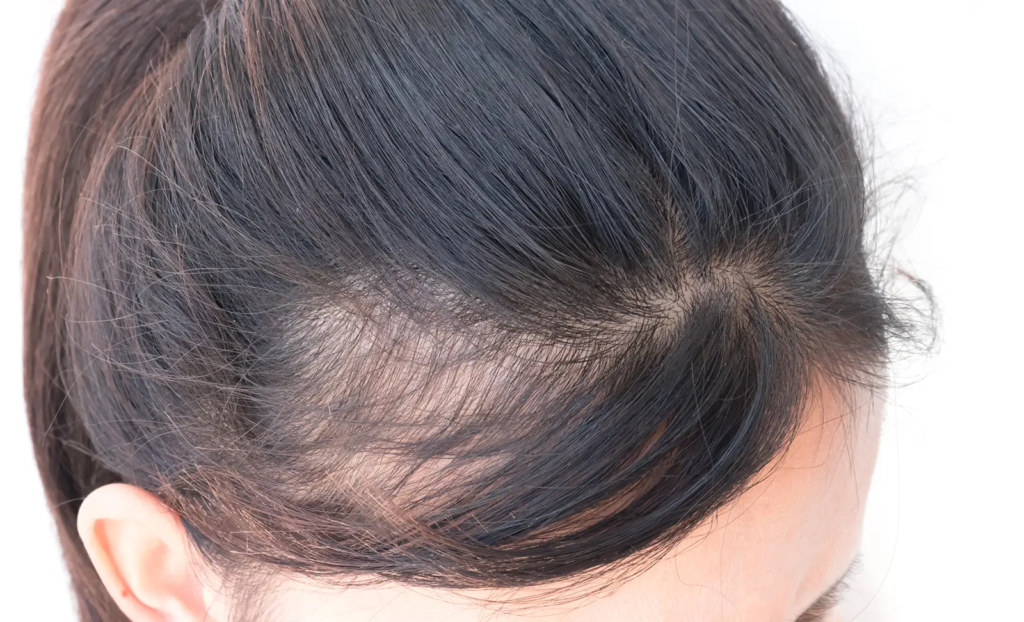
A receding hairline is hair loss that develops around the frontal scalp and temples. Over time, the hairline gradually moves backward and may create the appearance of a larger forehead or an M-shaped pattern. In some cases, women notice slow thinning. In contrast, others experience faster and more visible changes.
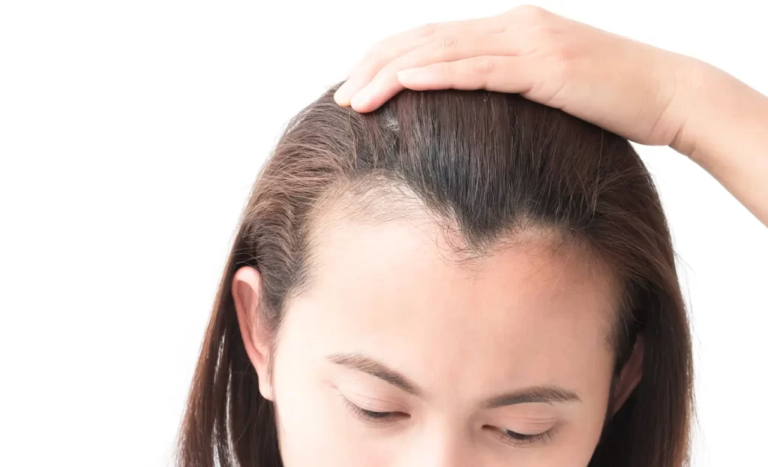
Generally, most women experience diffuse thinning rather than a receding pattern. Nevertheless, localized hair loss around the temples can become more obvious as the condition progresses.
The Common Causes of Receding Hairlines in Women
Overall, several factors may contribute to this condition.
Genetics
Genetics
Firstly, family history increases the risk of developing a receding hairline. For example, a mother or grandparent with similar hair loss patterns may indicate a genetic predisposition. As a result, early monitoring becomes important.
Aging
Aging
Secondly, hair shedding typically increases with age. In addition, androgenetic alopecia, also known as female pattern baldness, becomes more common over time. Consequently, many women begin noticing symptoms in adulthood, while the prevalence rises significantly in later decades.
Stress
Stress
Thirdly, high stress levels may trigger telogen effluvium, which is a temporary form of hair shedding. As a result, more hair follicles enter the resting phase. Therefore, managing stress through healthy lifestyle habits can support recovery.
Menopause
Menopause
Furthermore, hormonal fluctuations during menopause often affect hair density. Specifically, lower estrogen levels may lead to thinning along the frontal hairline. For this reason, hormonal balance plays a key role in hair health.
Nutritional Deficiencies
Nutritional Deficiencies
In addition, a lack of essential nutrients can weaken hair growth. For instance, iron, vitamin B12, and biotin deficiencies are commonly linked to thinning hair. When these deficiencies are corrected, overall hair health may improve.
Rapid Weight Loss
Rapid Weight Loss
Similarly, sudden or significant weight loss can shock the body and trigger temporary shedding. In many situations, women first observe thinning near the hairline. Thus, gradual weight management is generally safer for hair stability.
Tight Hairstyles
Tight Hairstyles
Moreover, frequent use of tight braids, cornrows, or dreadlocks places tension on hair follicles. Over time, this tension may result in traction alopecia. If the tension continues, permanent damage can occur.
Frontal Fibrosing Alopecia
Frontal Fibrosing Alopecia
Finally, frontal fibrosing alopecia (FFA) affects the front of the scalp and may also involve the eyebrows. Because this condition can cause scarring, early diagnosis is essential. Otherwise, permanent hair loss may develop.
If the cause of hair loss is unclear, medical evaluation is recommended. During consultation, a doctor can assess hormonal levels, nutritional status, and scalp condition. Based on the findings, appropriate treatment options can then be suggested.
How to Restore Frontal Hair
In general, treatment depends on the underlying cause and severity. Therefore, identifying the root problem remains the first step.
1. Hair Loss Medications
Currently, minoxidil is the only topical treatment approved for women. It improves blood flow to the scalp and prolongs the growth phase of hair follicles. As a result, hair density may gradually improve. However, consistent daily use is necessary to maintain results.
2. Addressing Deficiencies
Before starting supplements, blood tests can identify iron deficiency or other nutritional problems. If deficiencies are confirmed, doctors may prescribe supplements or medication. Consequently, correcting internal imbalances can support healthier growth.
3. Managing Stress
To reduce stress-related shedding, lifestyle changes are highly beneficial. For example, exercise, balanced nutrition, and adequate sleep help regulate stress levels. In turn, lower stress supports a healthier hair growth cycle.
4. Using Hair Oils
Additionally, rosemary oil and pumpkin seed oil have shown potential benefits in supporting hair growth. In some studies, results appear comparable to conventional topical treatments. Nevertheless, consistency remains important for visible improvement.
5. Addressing Hormonal Imbalances
When hormonal imbalance is suspected, proper evaluation becomes necessary. Particularly during menopause, medical guidance ensures safe and appropriate management strategies. Alongside treatment, maintaining a healthy lifestyle further supports hormonal stability.
6. PRP Therapy
Another option is platelet-rich plasma (PRP) therapy, which uses the patient’s own blood components to stimulate hair follicles. After blood is processed, concentrated platelets are injected into the scalp. Consequently, tissue repair and circulation improve.
7. Advanced FUE Hair Transplant
For long-term correction, follicular unit extraction (FUE) offers a minimally invasive transplant technique. During the procedure, individual hair follicles are moved to thinning areas to create natural-looking density. As a result, recovery is usually quick, and most patients resume normal activities within a few days.