WHAT IS LOWERING HAIRLINE?
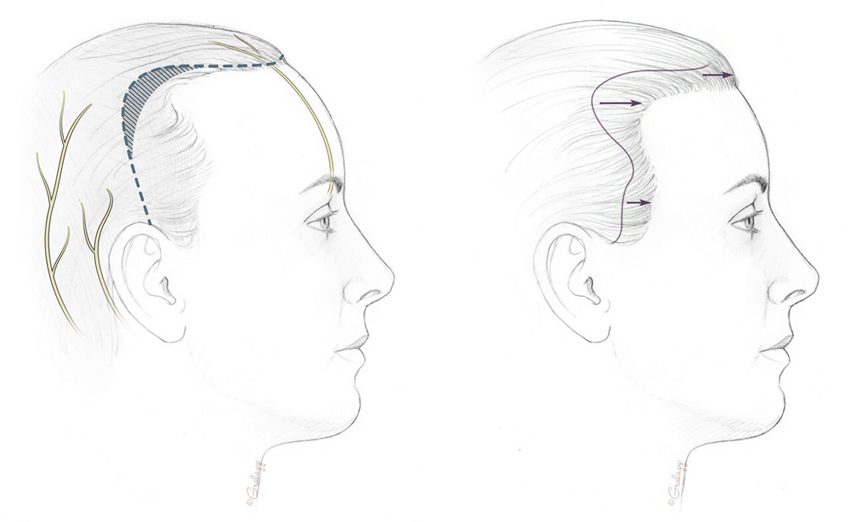
When individuals notice an increase in hair strands in their brush or during washing, it is natural to feel concerned. However, understanding the root cause is equally important before assuming hair loss. In fact, lowering hairline is a cosmetic procedure designed to reduce forehead height and create better facial balance. Therefore, proper consultation is essential before deciding on this treatment.
Who is a Candidate for Lowering Hairline?
Generally, individuals who may consider lowering hairline include the following groups. In particular, suitable candidates often have stable hair loss patterns and realistic expectations.
Those with a naturally high hairline or large forehead – For example, some individuals are born with a higher hairline, making the forehead appear disproportionately large. As a result, this procedure helps achieve better facial symmetry.
Individuals seeking gender affirmation – For transgender patients, lowering the hairline can be part of facial feminization procedures. Consequently, this helps create a more traditionally feminine hairline and enhances overall facial harmony.
People desiring enhancement – Additionally, some choose this procedure to improve facial balance and proportions, thereby making their appearance more aesthetically pleasing.
Other Good Candidates:
People with a naturally high hairline – In many cases, a high hairline may cause self-consciousness. Therefore, lowering it can significantly improve confidence.
Individuals with inactive male or female pattern baldness – Patients with androgenetic alopecia may be suitable candidates for a hairline transplant. However, forehead reduction surgery is not recommended for those with active androgenetic alopecia.
People with a receding hairline – As aging progresses, hairline recession becomes more common, especially in men. Nevertheless, women can also experience hairline recession and may wish to restore a more youthful appearance.
Transgender women – Furthermore, many transgender women desire a lower hairline to enhance femininity. Thus, this procedure is often sought as part of gender-affirming surgery.
Individuals with traction alopecia – For instance, hair loss due to prolonged tension from tight hairstyles can be treated through hairline-lowering surgery.
People with forehead asymmetry – In some situations, individuals may have irregular or asymmetrical hairlines that affect their confidence. Consequently, this procedure can correct those irregularities for a more balanced appearance.
When FUE provides a gradual and customizable approach to lowering the hairline, it may require multiple sessions to achieve the desired density. Therefore, consulting with us can help determine the most suitable option based on individual needs.
FREE CONSULTATION
Our experienced Doctors will carefully analyse your hair condition and provide the most suitable solution. Moreover, we ensure personalised recommendations tailored to each individual.
Get Your Free Consultation Today!
The Procedure
Follicular Unit Extraction (FUE) provides a gradual and customizable approach to lowering the hairline. In addition, this technique allows precise placement of grafts for a natural-looking result. However, multiple sessions may be required to achieve optimal density. Therefore, consulting with our experts will help determine the best treatment plan.
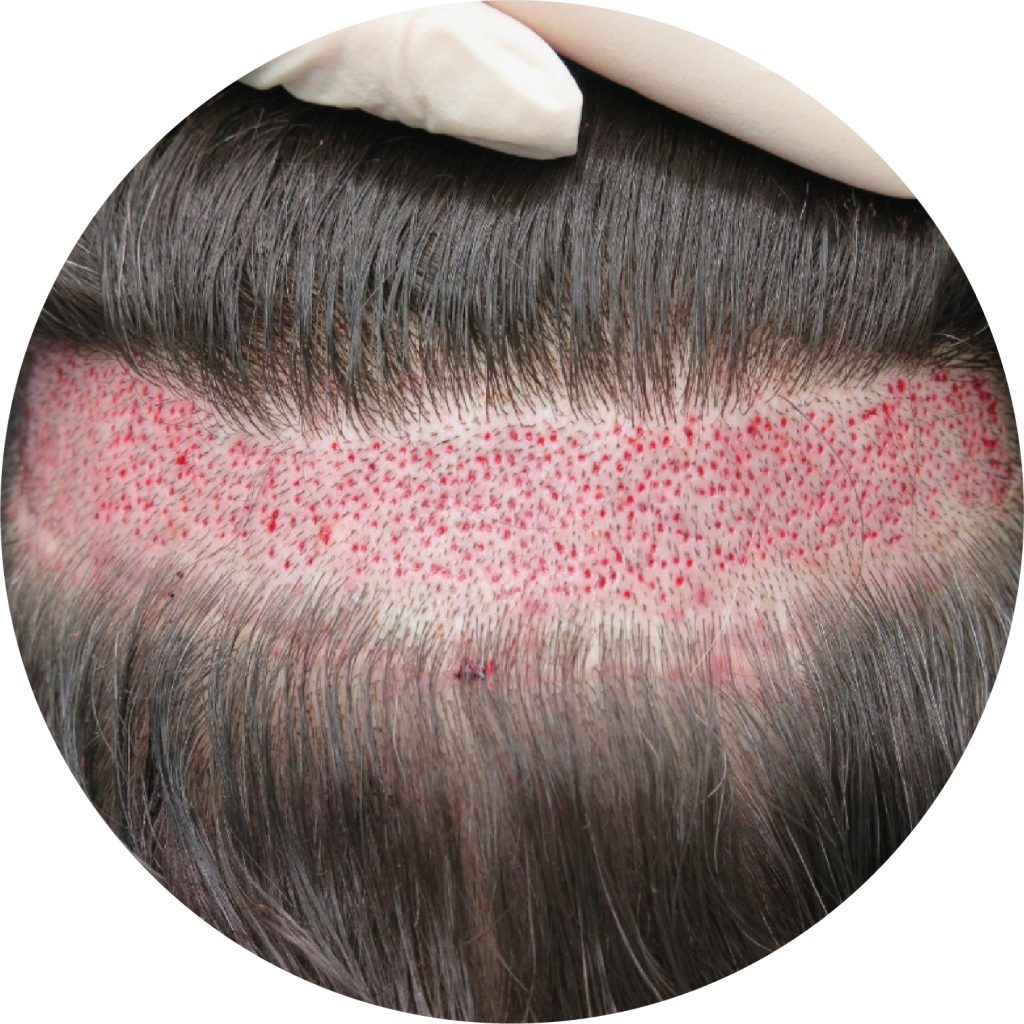
Harvesting Process
First, hair grafts are carefully harvested from the donor area. Subsequently, the extracted follicles are preserved before transplantation to the recipient site.
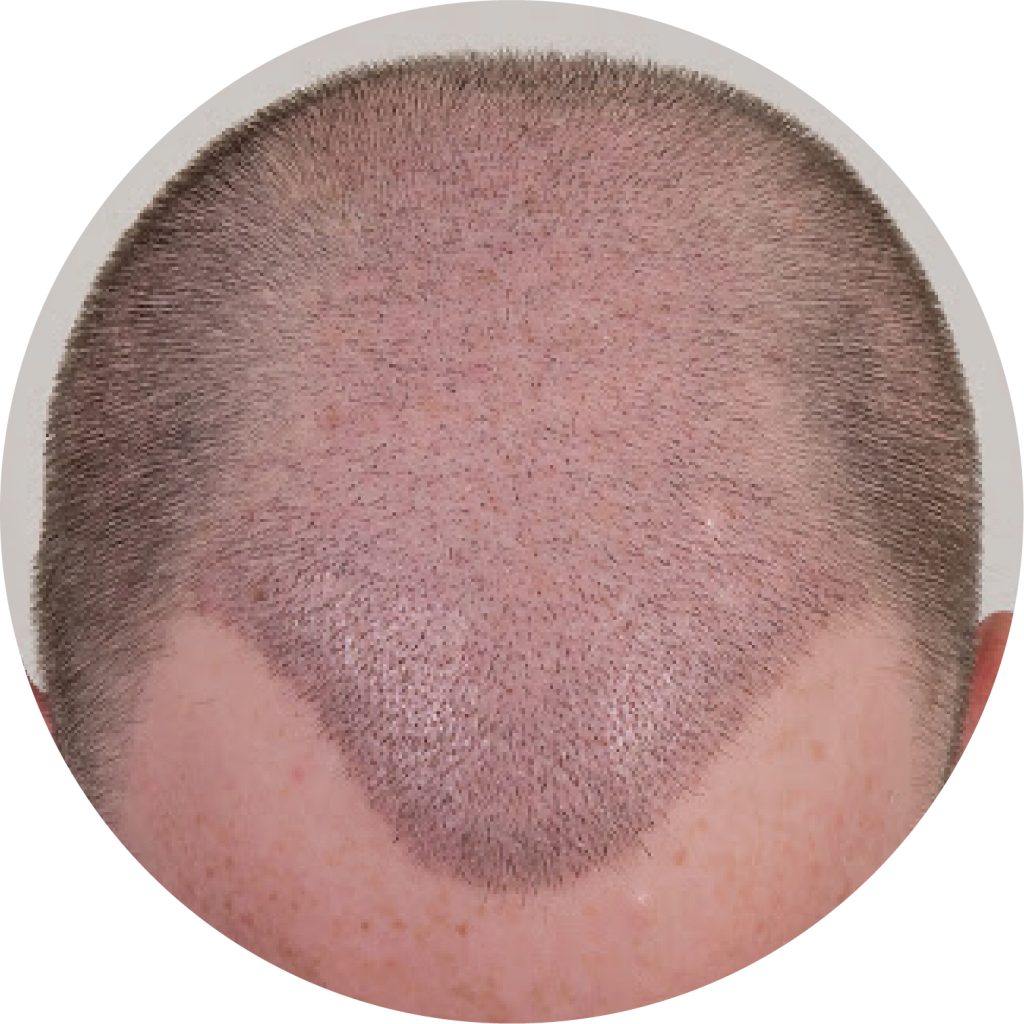
Recepient Site Creation
Next, the recipient area is created based on the initial planning of the hair transplant. At this stage, proper angle and direction are carefully designed to ensure natural growth patterns.
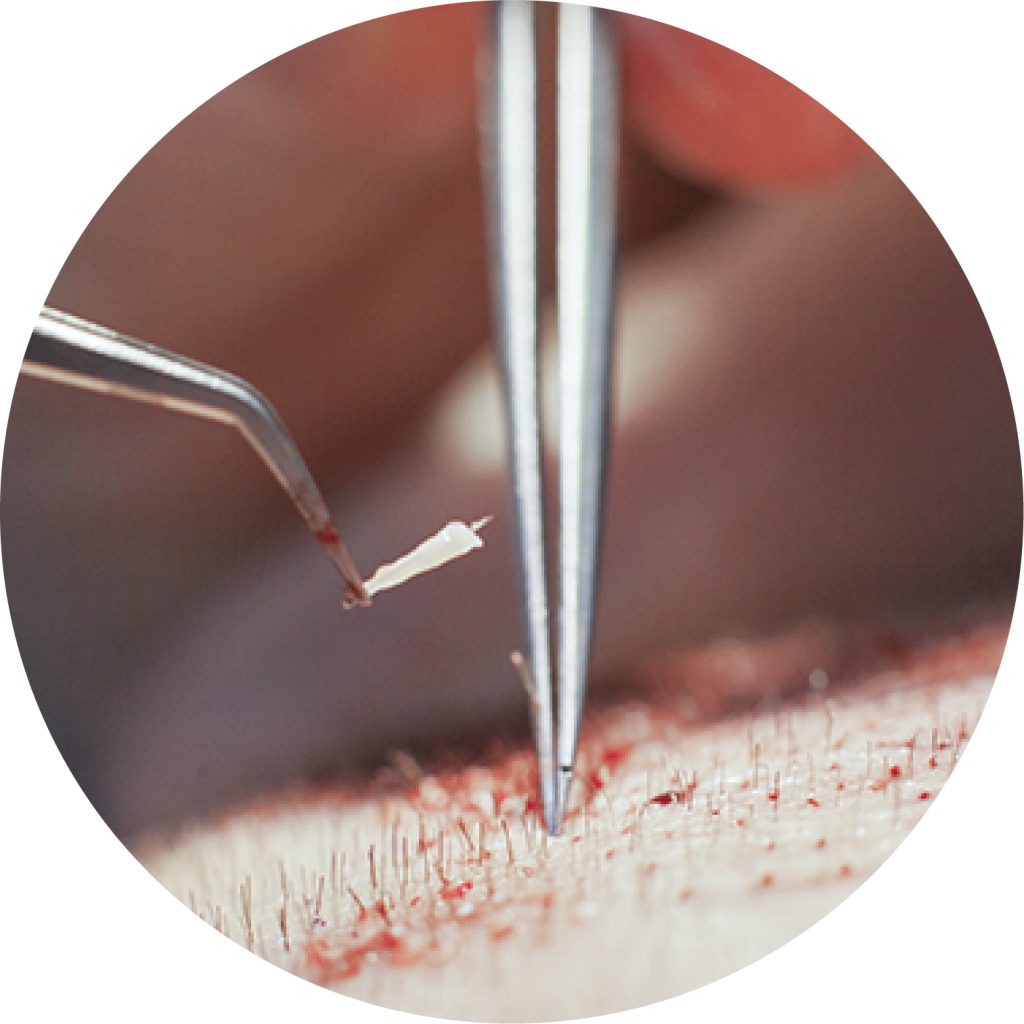
Hair Graft Placement
After that, the grafts are strategically implanted into the recipient site with the correct angle and direction. As a result, the new hairline blends naturally with the existing hair.
The entire procedure usually takes about 7 to 8 hours. Afterwards, patients can typically return home the same day following a short observation period.
Recovery
Recovery from lowering hairline involves some downtime, typically around 3 to 5 days. During this period, patients may experience swelling, bruising, and mild discomfort. However, these symptoms can be managed with prescribed medications and cold compresses. In addition, following post-procedure care instructions is essential to ensure proper healing and avoid complications.
Most patients can return to work or daily activities within a week. Nevertheless, strenuous activities and heavy lifting should be avoided for several weeks to prevent strain and excessive sweating.
Overall, lowering hairline is generally safe, and complications are uncommon when performed by experienced professionals.
Need more advice about your hair loss or hair transplant?
Contact us now and get free consultation with our professional doctors.
FREQUENTLY ASKED QUESTIONS (FAQs)
1. Is lowering hairline permanent?
Yes, the results are permanent. However, natural aging and hair loss patterns may gradually affect the appearance over time. Therefore, long-term hair maintenance should also be considered.
2. Will there be visible scarring?
We use advanced techniques to minimize scarring. In most cases, the scar fades over time and can be hidden by surrounding hair growth. Additionally, patients may explore laser treatments or scar revision procedures if necessary.
3. How long does it take to see full results?
Initial results are visible immediately after the procedure. However, full healing and optimal results typically take a few months. During this time, swelling and minor scarring will gradually subside, allowing the new hairline to blend naturally.
4. Can men undergo lowering hairline?
Yes, men can undergo the procedure. However, a thorough consultation with a specialist is essential to determine suitability and long-term planning.
5. What is the best age to get lowering hairline?
Most candidates are in their 20s to 40s. Nevertheless, the procedure can be performed at other ages, provided the individual is in good health and has realistic expectations.
6. How soon can I wash my hair after the procedure?
Patients are usually advised to wait about 7 days before washing their hair with a gentle shampoo. Furthermore, harsh chemicals or excessive scrubbing should be avoided during the initial healing phase.
Get a free consultation with our professional Doctor to restore your hair.
CONCLUSION
In summary, lowering hairline is a procedure aimed at reducing forehead height by advancing the scalp and repositioning the hairline. Overall, it offers a long-term solution for individuals seeking improved facial proportions. Therefore, by understanding the procedure, risks, alternatives, and recovery process, patients can make informed decisions with greater confidence.