
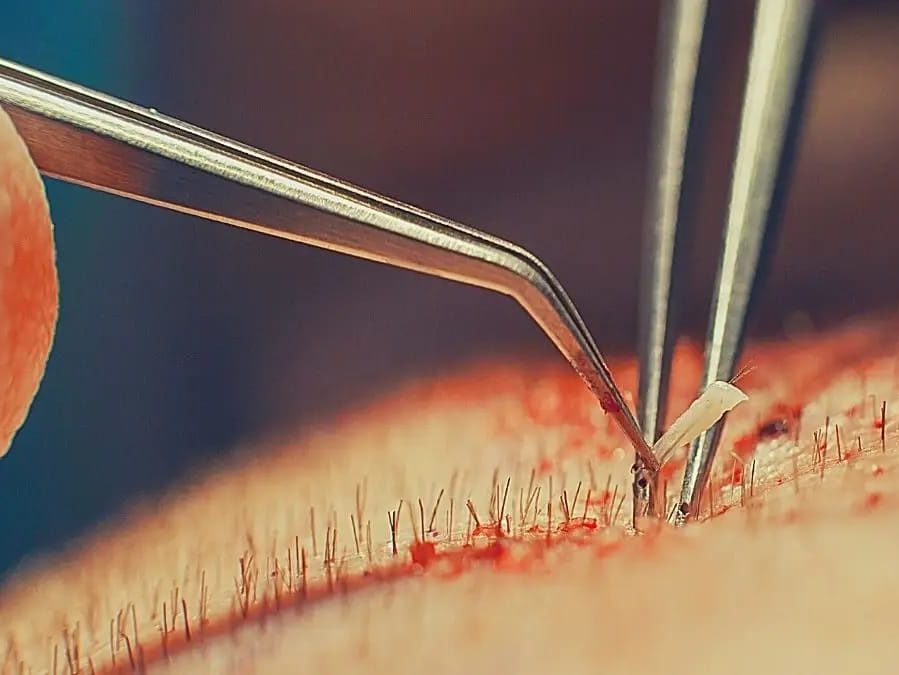
How Many Hair Grafts Do I Need?
A hair transplant is a specialised procedure used to restore hair in areas affected by thinning or hair loss. One of the key considerations during treatment planning is determining the appropriate number of hair grafts required.
The required graft count depends on several factors, including the size of the thinning area, hair thickness, donor hair density, hair loss pattern and the desired level of coverage.
In general, some patients may require approximately 1,000 to 3,000 grafts, while more advanced hair loss may require more grafts. However, graft requirements vary between individuals due to differences in hair characteristics and donor hair availability.
This guide provides an overview of hair grafts, estimated graft requirements for different areas of the scalp and the factors considered when developing a suitable hair transplant plan.
What Is a Hair Graft?
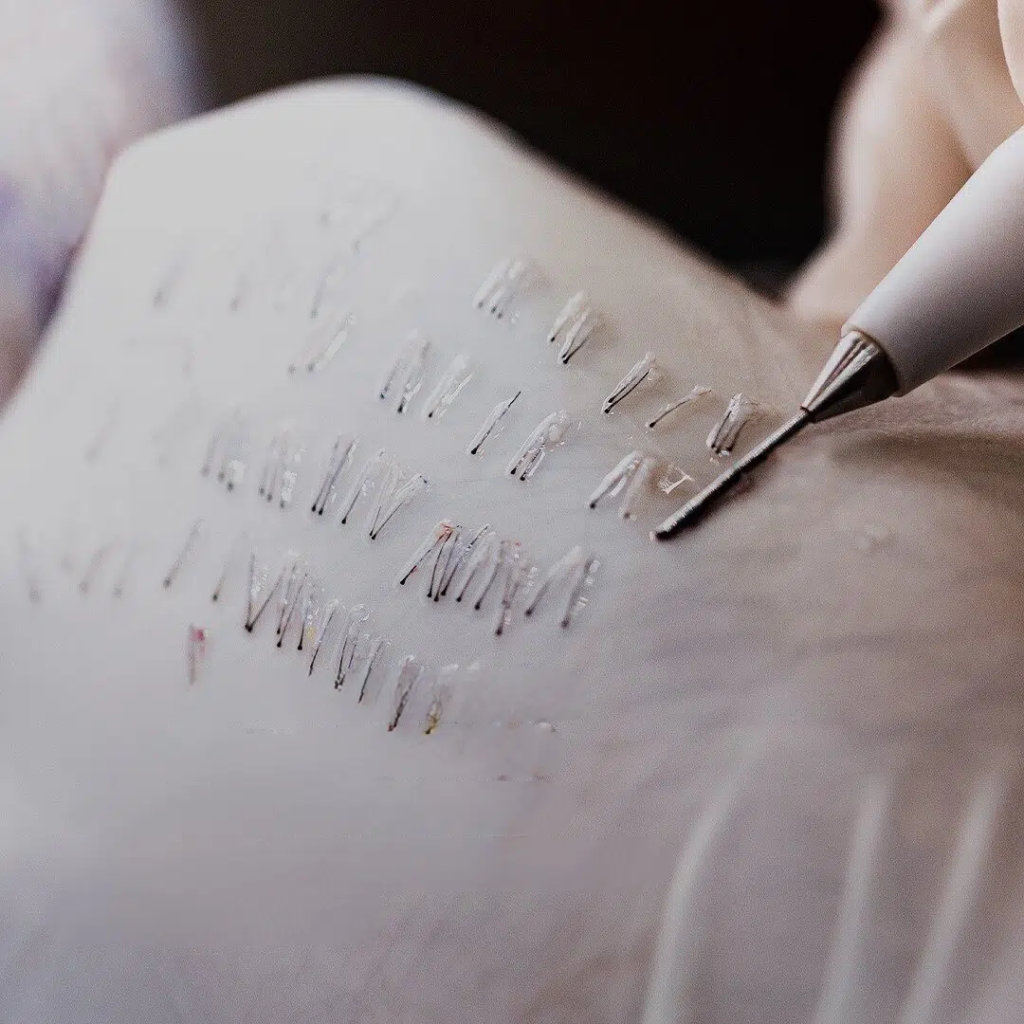
A hair graft is a small unit of tissue containing one or more hair follicles. During a hair transplant, grafts are usually taken from the donor area at the back and sides of the scalp.
A graft does not always contain one hair. Most grafts can contain one to four hairs, depending on the natural follicular unit.
For example, 3,000 grafts do not mean exactly 3,000 hairs. They may contain several thousand individual hairs.
Therefore, graft numbers should not be viewed on their own. Hair thickness, density and graft distribution also affect the final appearance.
How Many Hair Grafts Do I Need?
The number of grafts depends mainly on the size of the area that needs coverage.
Small areas usually need fewer grafts. Meanwhile, larger areas require more careful planning because the available donor hair is limited.
Here is a general guide:
| Treatment Area | Estimated Graftsr |
|---|---|
|
Small temple correction |
800 – 1,000 |
|
Receding hairline |
800 – 2,000 |
|
Hairline and frontal area |
1,500 – 3,000 |
|
Crown thinning |
1,500 – 3,500 |
|
Front and crown |
3,000 – 5,000 |
|
Advanced hair loss |
4,000 – 6,000+ |
These figures are only general estimates. Your actual graft requirement may be higher or lower.
For example, people with thicker hair may achieve better visual coverage with fewer grafts. On the other hand, people with fine hair may require more grafts to achieve a similar appearance.
How Many Grafts Are Needed for a Receding Hairline?
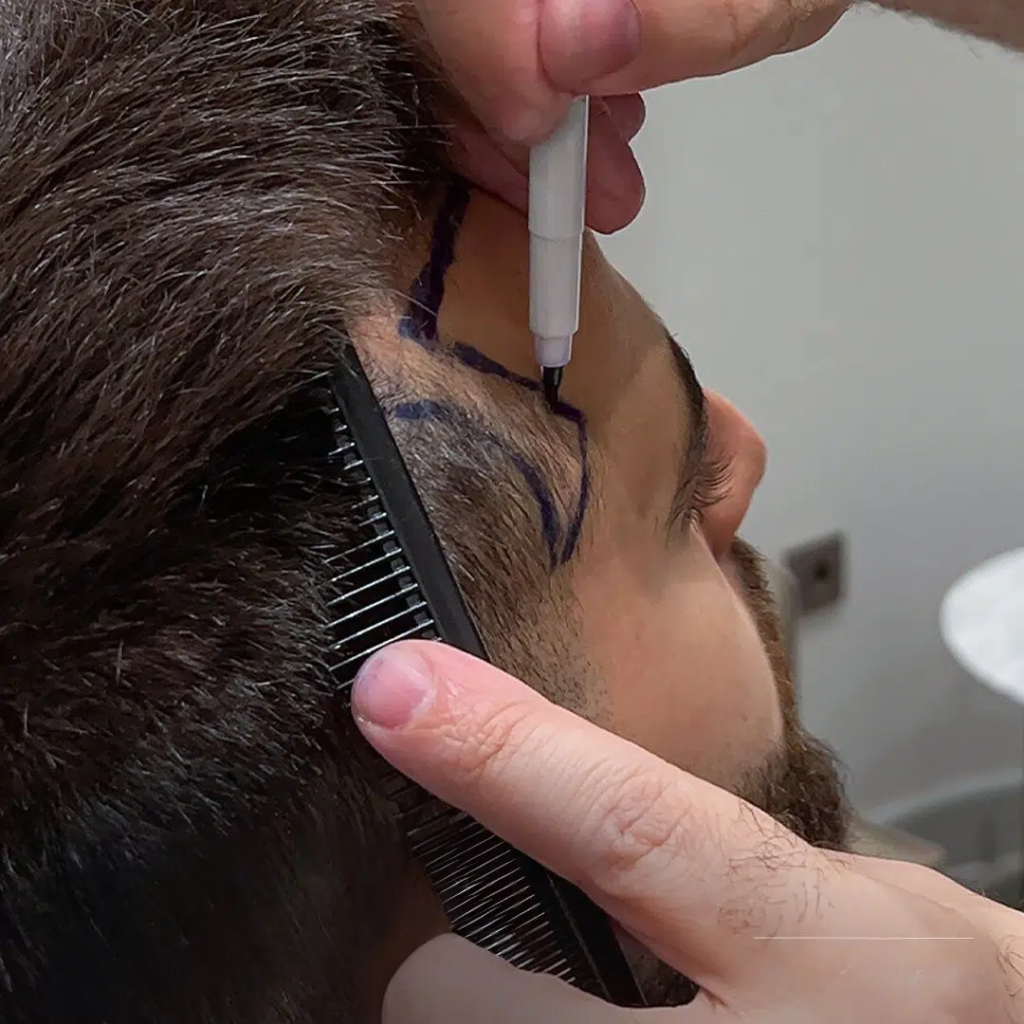
A receding hairline is one of the most common reasons people consider a hair transplant.
Mild temple recession may require around 800 to 1,200 grafts. A more noticeable receding hairline may need approximately 1,200 to 2,000 grafts.
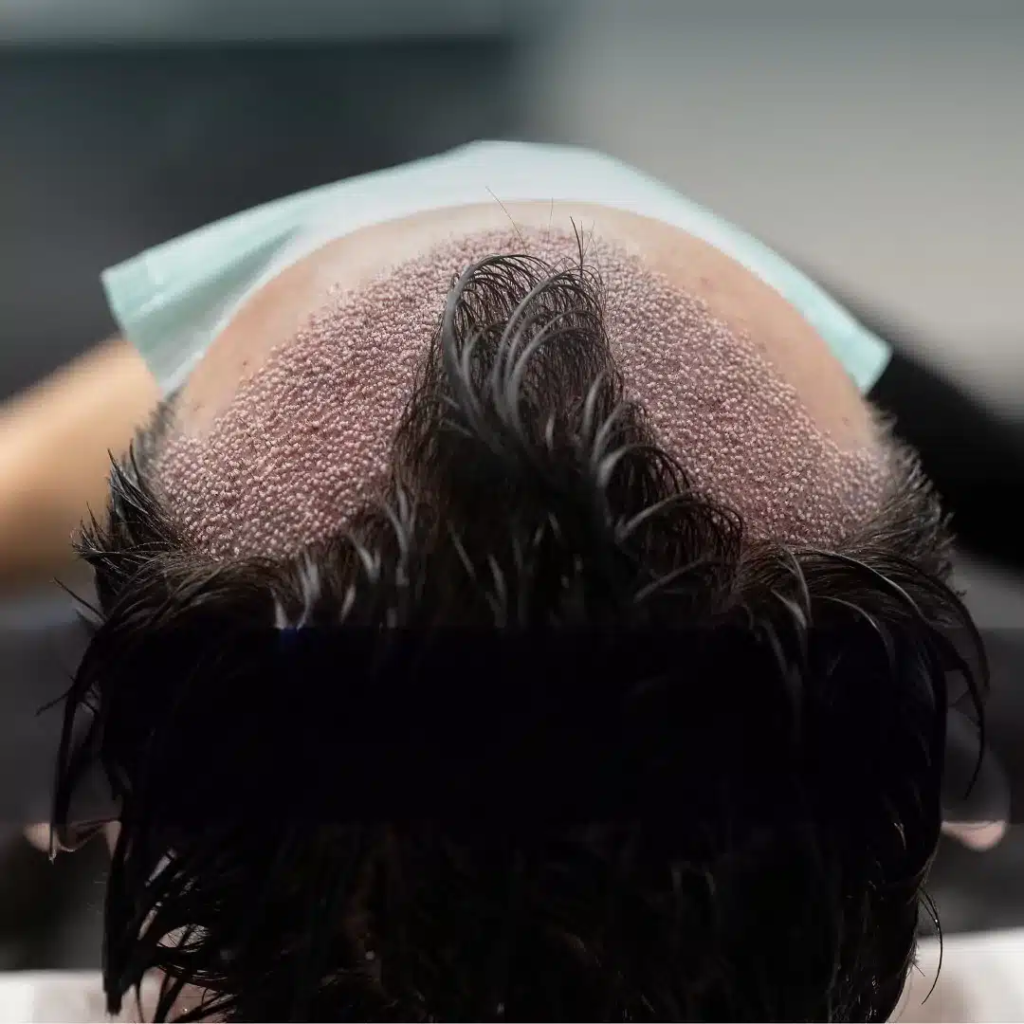
If the frontal area also has significant thinning, the total may increase to around 2,000 to 3,000 grafts.
However, the hairline should not simply be filled with as many grafts as possible. It should be planned according to your facial features, existing hair and potential future hair loss.
A natural-looking hairline usually requires careful placement of smaller grafts at the front. Larger grafts can then provide more density behind the hairline.
How Many Grafts Are Needed for the Crown?
The crown can require a significant number of grafts because thinning often covers a wider area.
As a general guide:
- Small crown area: 1,000 – 1,500 grafts
- Moderate crown thinning: 1,500 – 2,500 grafts
- Larger crown area: 2,500 – 3,500+ grafts
The crown also has a natural hair whorl. Therefore, grafts need to follow the direction of the existing hair as closely as possible.
Moreover, the crown can use a large number of grafts without providing the same visual impact as the frontal area. For this reason, the front may receive priority when donor hair is limited.
How Many Grafts Are Needed for a Full Head?
There is no single graft number for a “full head” because every person’s hair loss pattern is different.
For moderate hair loss involving the hairline, frontal area and part of the crown, around 3,000 grafts may be considered.
More advanced hair loss may require 2 sessions of Hair Transplant. In some cases, treatment may need to be planned in stages.
The goal is not necessarily to recreate the exact hair density you had when you were younger. Instead, the aim is to create a natural and balanced appearance while using the available donor hair responsibly.
How Does Hair Loss Stage Affect Graft Numbers?
The Norwood scale is commonly used to describe male pattern hair loss.
It can help specialists understand the general extent of hair loss. However, it should not be used as the only method for calculating graft requirements.
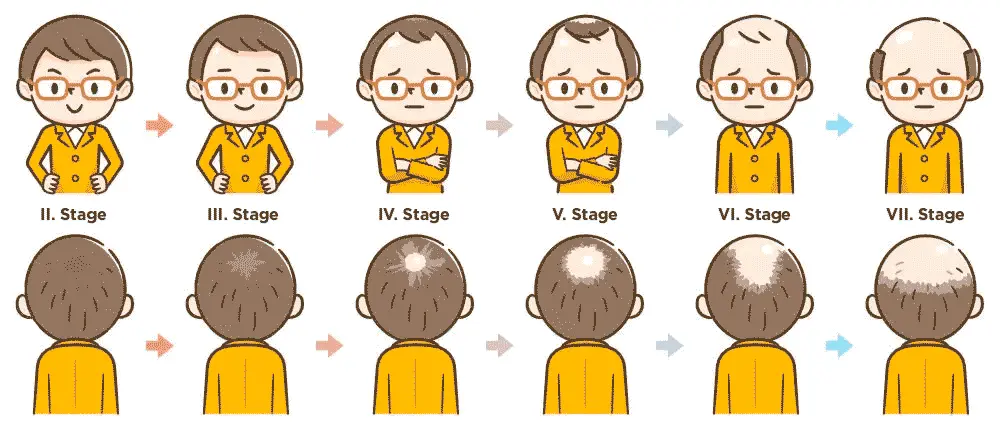
| Norwood Stage | General Hair Loss Pattern | Estimated Grafts |
|---|---|---|
|
Norwood I |
Minimal visible recession |
Usually not required |
|
Norwood II |
Mild temple recession |
800 – 1,500 |
|
Norwood III |
Noticeable frontal recession |
1,500 – 2,500 |
|
Norwood III |
Frontal loss with early crown thinning |
2,000 – 3,000 |
|
Norwood IV |
Frontal loss and crown thinning |
2,500 – 3,500 |
|
Norwood V |
Larger frontal and crown areas |
3,000 – 4,500 |
|
Norwood VI |
Extensive hair loss on top |
4,000 – 5,500 |
|
Norwood VII |
Advanced hair loss |
5,000 – 6,000+ |
These numbers and figures are only planning ranges.
For instance, two people with the same Norwood stage may require different graft numbers. Hair thickness, donor density, scalp condition and the size of the affected area can all change the treatment plan.
How Many Grafts Are Used Per Square Centimetre?
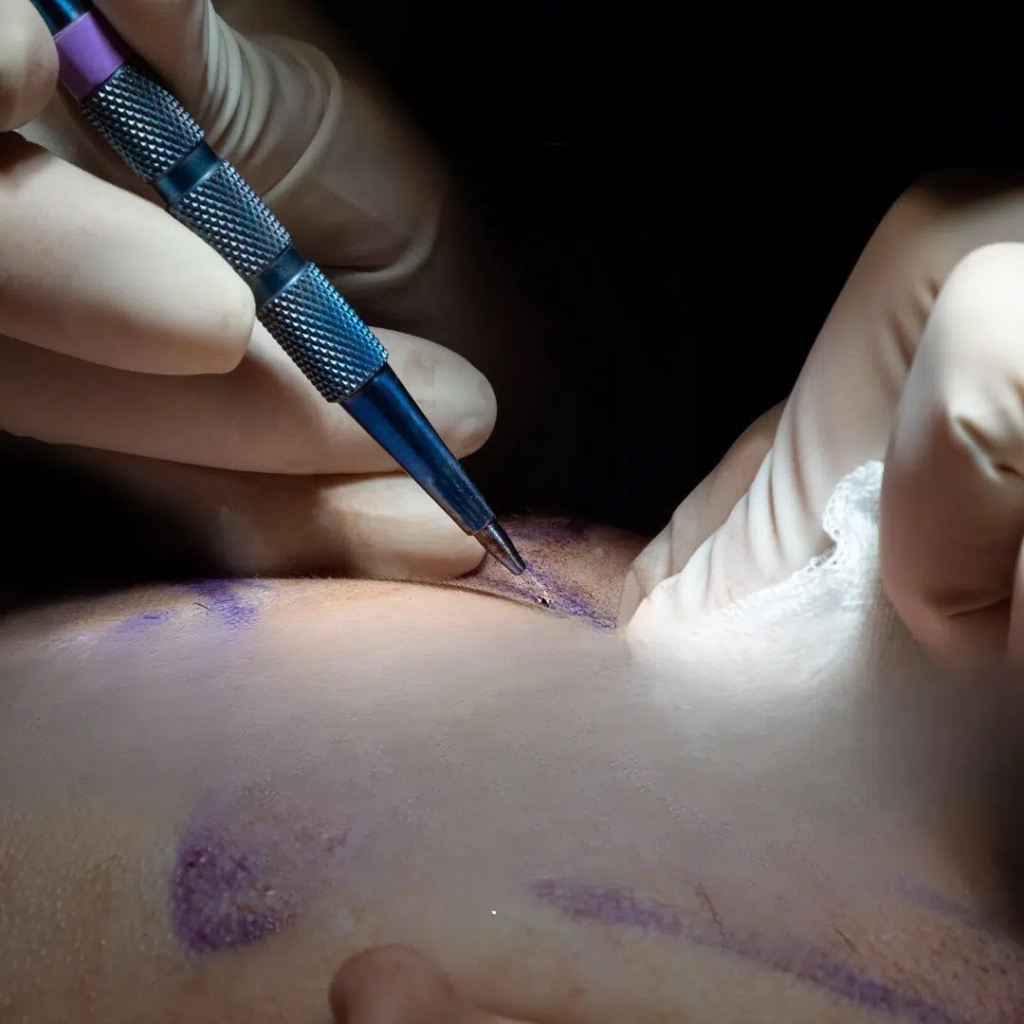
Hair density is another important factor when planning a hair transplant.
In some cases, around 30 to 40 grafts per cm² may be used as a general planning range. However, the actual density can vary depending on the area and the patient’s hair characteristics.
The hairline may require careful placement to create a natural transition. Meanwhile, the crown may require broader distribution because of its circular shape.
Therefore, the number of grafts should always be considered together with the size of the treatment area.
What Determines Your Exact Graft Count?
Several factors can affect how many hair grafts you need.
Size of the Hair Loss Area
A larger area requires more grafts for coverage.
A small temple correction may need only a limited number of grafts. In contrast, hair loss from the hairline to the crown requires a much larger treatment area.
Donor Hair Density
Your donor area has a limited supply of healthy hair.
Removing too many grafts can affect the appearance of the donor area. Therefore, the available donor hair needs to be assessed before deciding on the graft number.
Hair Thickness
Thicker hair can provide greater visual coverage. Fine hair may require more grafts to create a similar appearance.
Hair and Scalp Contrast
The contrast between your hair and scalp can also affect how dense your hair appears.
For example, a high contrast between dark hair and a lighter scalp may make thinning more noticeable.
Current Hair Loss
Your existing hair loss pattern is another important factor.
If surrounding hair is still thinning, the treatment plan should consider how your hair may change in the future. This helps create a more balanced long-term plan.
Hairline Design
The hairline is one of the most visible parts of the scalp.
Therefore, the design should consider your facial proportions, age, existing hair and future hair loss. A very low hairline may also require more grafts than necessary.
Is 3,000 Grafts Enough?
For most patients, 3,000 grafts may provide good coverage.
This number can be suitable for moderate hair loss involving the hairline and frontal area. It may also be enough for selected cases involving part of the crown.
However, 3,000 grafts may not be enough for extensive hair loss across the entire top of the scalp.
The important factor is not simply the number of grafts. Instead, the grafts should be distributed according to the areas that need the most coverage.
Can Too Many Grafts Be a Problem?
Yes. Taking too many grafts from the donor area can affect its appearance.
Potential concerns include:
- Visible thinning in the donor area
- Uneven graft distribution
- Reduced donor hair for future needs
- An unnatural hairline
- Poor long-term planning
For this reason, the highest possible graft number is not necessarily the most suitable option.
A well-planned treatment should focus on achieving natural coverage while protecting the donor area.
How Are Grafts Distributed for a Natural Appearance?
Graft distribution is just as important as the total number of grafts.
The front hairline usually requires smaller grafts to create a softer transition. Larger grafts can then be placed behind the hairline to provide additional fullness.
The frontal area often receives careful attention because it frames the face. The mid-scalp can help connect the frontal area to the crown.
Meanwhile, the crown may be planned more conservatively because it can require many grafts across a relatively large area.
Therefore, a good plan considers where the grafts are placed, not only how many are used.
How Long Does It Take to See Hair Growth?
Hair growth after a hair transplant happens gradually.
Some transplanted hairs may shed during the early stage. This can be part of the normal growth cycle and does not necessarily mean that the grafts have failed.
New growth usually develops gradually over the following months. More noticeable improvement often becomes visible between six and twelve months, although the crown may take longer to mature.
Following the recommended aftercare instructions can also support the recovery process.
How Can I Find Out How Many Grafts I Need?
A reliable graft estimate requires an assessment of your hair and donor area.
The assessment may consider:
- Size of the thinning area
- Donor hair density
- Hair thickness
- Hair loss pattern
- Scalp condition
- Existing hair
- Potential future hair loss
- Desired level of coverage
Photos can provide an initial indication. However, an individual assessment gives a clearer understanding of the available donor hair and suitable treatment area.
At Advanced Hair Transplant Specialist, graft planning focuses on creating a natural appearance while considering the condition of the donor area and your long-term hair goals.
If you are experiencing hair loss or a receding hairline, speak with our hair specialists to understand your options and receive a personalised assessment.
Key Takeaway
So, how many hair grafts do I need?
There is no fixed number that suits everyone.
A small hairline correction may require fewer than 1,500 grafts, while moderate hair loss may require around 2,000 to 3,000 grafts. More advanced hair loss require 2 sessions of Hair Transplant.
However, the right graft number depends on your hair loss area, donor hair density, hair thickness and long-term needs.
Most importantly, more grafts do not automatically mean better results. A suitable treatment plan should use the available donor hair carefully while creating balanced and natural-looking coverage.
For a more accurate estimate, Advanced Hair Transplant Specialist can assess your hair loss pattern and donor area before recommending a suitable graft range.
Frequently Asked Questions
Many patients may need between 1,000 and 4,000 grafts. More advanced hair loss may require 4,000 to 6,000 or more grafts. The exact number depends on your individual hair loss pattern and donor area.
A receding hairline may require around 800 to 2,000 grafts. Larger frontal areas may require approximately 2,000 to 3,000 grafts.
A small crown area may require around 1,000 to 1,500 grafts. Moderate thinning may need 1,500 to 2,500 grafts, while larger areas may require 2,500 to 3,500 or more grafts.
It can be enough for some patients with moderate hair loss. However, it may not provide sufficient coverage for extensive hair loss across the front, middle and crown.
A graft can contain one to four hairs. Therefore, the number of grafts is different from the total number of individual hairs.
Not necessarily. Graft distribution, hairline design, donor preservation and the quality of graft handling are also important factors.
A general graft estimate can be made based on the size of the thinning area. However, an individual assessment is more reliable because donor density, hair thickness and future hair loss also affect the final graft requirement.
Yes. Two people with a similar level of hair loss can require different graft numbers. Hair thickness, donor density, scalp characteristics and the size of the affected area can all influence the treatment plan.
Book a Consultation
If you are concerned about hair thinning or hair loss, Advanced Hair Transplant Specialist offers professional consultations to help you understand your options.
Our team is committed to providing suitable hair restoration solutions for both men and women in Malaysia.
DON'T WAIT. GET HELP TODAY!
Hair loss is a frustrating problem for millions of men and women. Factors such as diet, stress, and medications can lead to hair loss but genes can also play an important role in male pattern baldness.
The sooner you address the symptoms of hair loss, the more likely you are to prevent irreversible damage. Contact us now to get free consultation from our Hair Transplant Specialist Doctor.