DO FUE HAIR TRANSPLANTS HURT?
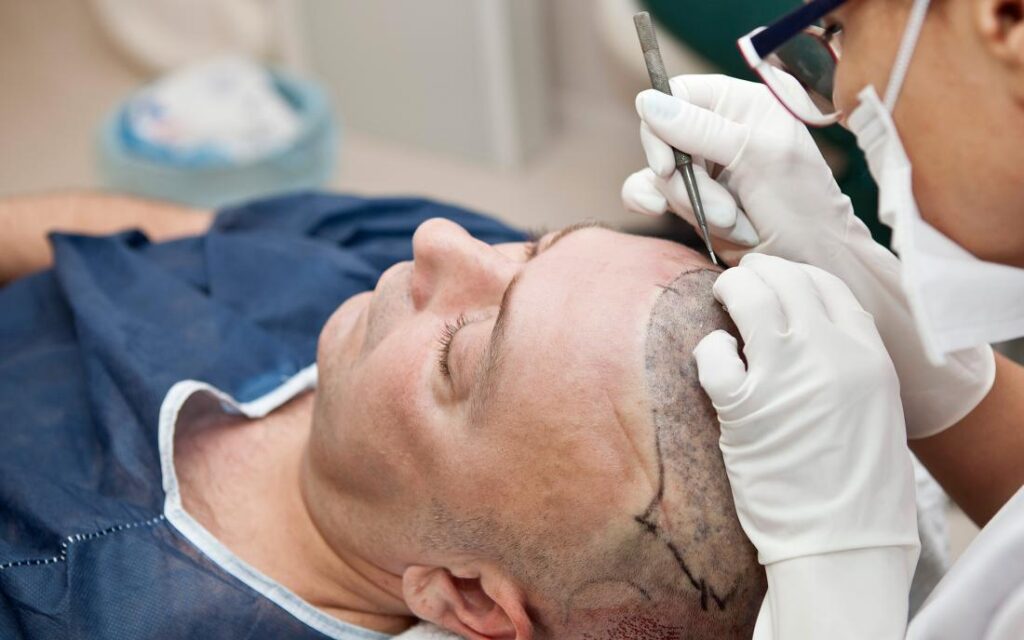
One of the most common questions patients ask is, “Do FUE Hair Transplants hurt?” The level of discomfort experienced during a hair transplant can vary from person to person and depends on the technique used. However, modern hair transplant procedures are generally well tolerated.
At the beginning of the procedure, local anaesthesia is administered to numb the scalp, significantly reducing pain during the transplant process. Most patients report feeling only mild pressure or minimal discomfort rather than actual pain. At Advanced Hair Transplant Specialist, patient comfort is a priority, and care is taken to monitor comfort levels throughout the procedure to ensure a smooth and pleasant experience.
Once the anaesthesia wears off several hours after the procedure, it is normal to experience some soreness, tenderness, or mild aching in the treated areas. This post-procedure discomfort can usually be managed effectively with over-the-counter pain relief or medication prescribed by your physician. For most patients, any discomfort is temporary and subsides within a few days to one week.
How Long Does Pain Last After a FUE Hair Transplant
Pain after a hair transplant is typically mild and short-term. Below is a general timeline of what most patients can expect during recovery:
First 24–48 Hours
Mild pain, soreness, and tenderness may be felt in both the donor and recipient areas. The donor area, where hair follicles are extracted, often feels more sensitive. Swelling and redness are also common during this period.
3–7 Days Post-Procedure
Discomfort usually decreases significantly after the first few days. Any remaining pain is typically mild and manageable with basic pain medication. Some tightness or itching may occur as part of the normal healing process.
1–2 Weeks Post-Procedure
By this stage, most pain and discomfort should have resolved. Minor tenderness or itching may still be present but continues to improve over time.
Patients who undergo Follicular Unit Extraction (FUE) generally experience less post-operative pain compared to those who undergo Follicular Unit Transplantation (FUT). With FUE, many patients report minimal discomfort as early as one day after the procedure, while FUT-related discomfort typically subsides by day three.
If pain persists beyond two weeks or becomes severe, patients are advised to contact their physician for further assessment.
FREE CONSULTATION
Our experienced Doctors will analyse your hair and provide you the best solution for hair loss.
Get Your Free Consultation Today!
How to Manage Pain After a Hair Transplant
Proper aftercare plays an important role in ensuring a comfortable recovery. The following measures can help manage post-procedure discomfort:
1. Medication
- Pain Relief: Over-the-counter medications such as paracetamol or ibuprofen may help reduce pain. Prescription medication may be provided if required.
- Antibiotics: These may be prescribed to prevent infection.
- Post-Procedure Care Package: Patients are provided with essential items and instructions to support recovery.
2. Head Elevation
Keeping the head elevated, especially during sleep for the first few days, helps reduce swelling and discomfort. Using extra pillows or sleeping in a reclined position is recommended.
3. Care of the Transplanted Area
- Avoid touching, scratching, or rubbing the scalp
- Follow instructions carefully when washing hair to protect newly implanted grafts
4. Avoid Strenuous Activities
Refrain from heavy exercise or physically demanding activities for at least one week to prevent increased swelling and discomfort.
5. Hydration and Nutrition
Drinking enough water and maintaining a balanced diet can support healing and reduce recovery time.
6. FOLLOW-UP CARE
Attend all scheduled follow-up appointments and follow post-procedure instructions closely to ensure proper healing.
7. Relaxation Techniques
Stress and anxiety can intensify discomfort. Deep breathing, light meditation, or listening to calming music may help.
8. Avoid Smoking and Alcohol
Smoking and alcohol consumption can slow the healing process and increase discomfort. Avoid both during recovery.
9. Topical Treatments
Some topical solutions may be recommended to soothe the scalp. Always consult your physician before applying any products.
How Long Does the Donor Area Hurt After a Hair Transplant?
It is common to experience discomfort in the donor area after a hair transplant. Most patients notice soreness and tenderness during the first few days, with significant improvement by day three or four. By the second to fourth week, any remaining discomfort usually resolves, though mild itching or tightness may still occur as healing continues.
Complete recovery of the donor area typically takes a few months, with sensations gradually returning to normal. Healing is generally faster with the FUE method compared to FUT.
Need more advice about your hair loss or hair transplant?
Contact us now and get free consultation with our professional doctors.
Burning Sensation in the Donor Area
Some patients describe donor area discomfort as a burning sensation, particularly after FUE procedures. This sensation occurs due to temporary irritation of the skin and superficial nerve endings caused by the extraction process. This type of discomfort is normal and can be managed using standard pain control and aftercare methods.
Conclusion
In conclusion, while hair transplant procedures may involve some degree of discomfort, the pain is generally mild, manageable, and temporary. Most patients experience the greatest level of discomfort within the first few days after the procedure, with gradual improvement as the scalp heals and recovery progresses.
With advancements in modern hair restoration techniques, particularly Follicular Unit Extraction (FUE), recovery time has been significantly reduced, and post-procedure discomfort is typically minimal compared to older methods such as Follicular Unit Transplantation (FUT). FUE is known to offer faster healing and improved patient comfort.
At Advanced Hair Transplant Specialist, strong emphasis is placed on patient comfort, precision in technique, and comprehensive aftercare. Each patient is provided with clear post-procedure instructions and appropriate care support to promote smooth healing and minimise discomfort throughout the recovery period.
Patients are advised to consult their physician promptly if they experience severe pain, prolonged discomfort, or any signs of infection. While a short recovery period is expected, the long-term results, including improved hair density, natural-looking outcomes, and enhanced confidence, often far outweigh the temporary discomfort associated with the procedure.
Get a free consultation with our professional Doctor to restore your hair.